Your Reliable General Contractor for Premium Home Renovations
A trusted construction professional fulfills a essential role in home improvements. Their expertise guarantees projects are completed with precision and care. By focusing on quality materials and craftsmanship, they improve both visual appeal and value. Open communication and careful planning are essential for a seamless experience. However, many property owners overlook important considerations when choosing a contractor. Understanding what to focus on can make all the difference in reaching a successful renovation. What should property owners evaluate first?
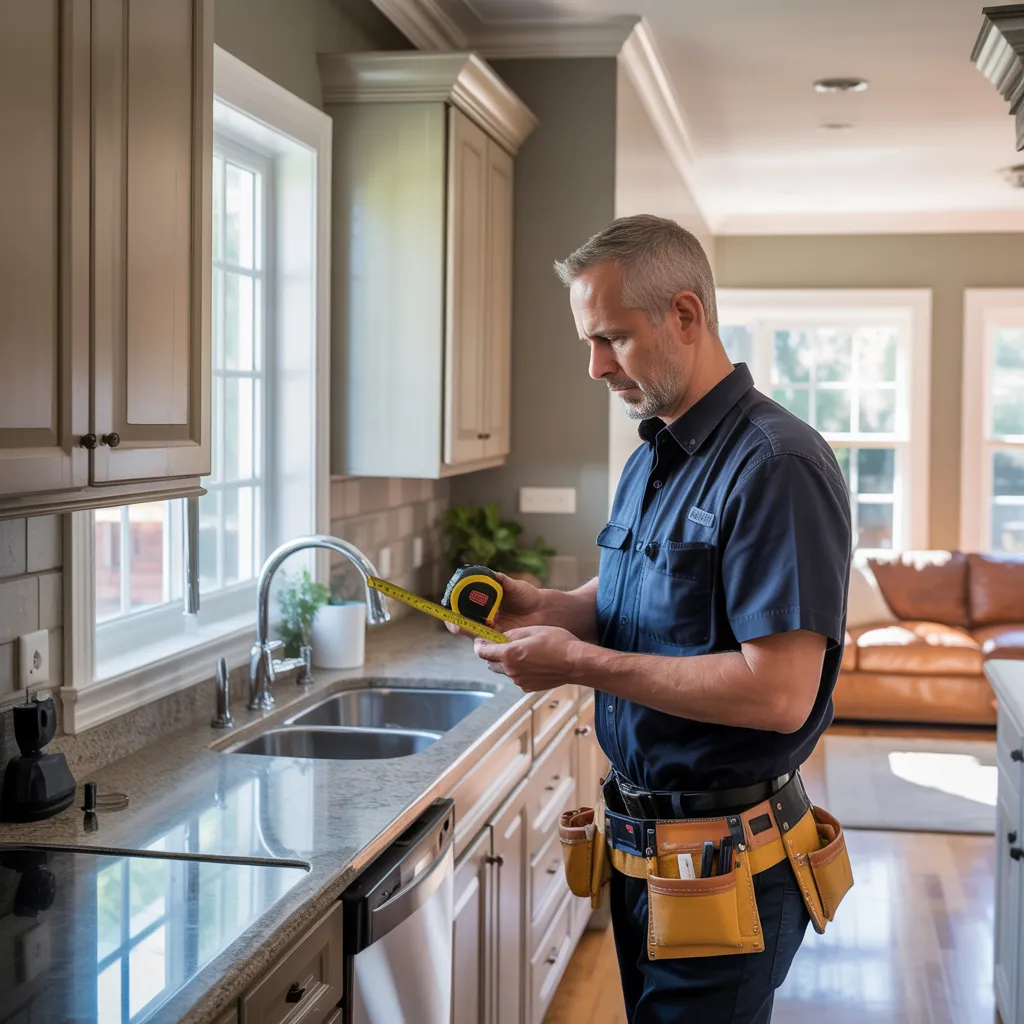
How to Find a Reliable General Contractor You Can Count On
When initiating a home remodeling project, how can one guarantee they select a reputable contractor? To start, people should seek endorsements from friends, family, or digital reviews to discover potential candidates. It is essential to verify qualifications, featuring licenses and insurance, ensuring the contractor adheres to local standards. Following this, reviewing completed projects through portfolios or references delivers knowledge into the builder's workmanship and credibility.
In addition, obtaining varied assessments can help determine moderate pricing and project timelines. Communicative skills are also essential; a tradesperson should be approachable and responsive to messages. Moreover, a sound formal agreement laying out project scope, timelines, and payment schedules protects both involved groups. In the end, go with your instincts; if a service professional appears to be lacking in professionalism or vague, it may signal downstream complications. By adhering to these guidelines, homeowners can markedly boost their chances of hiring a steadfast general contractor, culminating in triumphant home modernization endeavors.
Why a Local General Contractor Remains Your Optimal Selection
Going with a local general contractor can substantially boost the success of home improvement endeavors. Local contractors possess significant knowledge of the community, such as construction codes, rules, and zoning laws, ensuring adherence and efficiency. Their strong partnerships with vendors and contractors can provide superior pricing and ready access to materials and skilled labor.
Furthermore, local contractors often have a standing to maintain within the community, driving them to provide superior craftsmanship. This sense of accountability builds confidence and trust among homeowners.
Moreover, proximity allows for better communication and prompt response times, which can be vital during a project. Homeowners can additionally obtain referrals from neighbors or friends who have earlier worked with the contractor, ensuring peace of mind. Overall, opting for a local general contractor does more than support the community but also raises the overall quality and experience of home improvement undertakings.
Your Full Step-by-Step Guide to Residential Upgrade Journey
Launching a home improvement project calls for deliberate preparation and competent implementation. Establishing a schedule of work is paramount to make certain that tasks are fulfilled efficiently, while procuring quality products can profoundly shape the project's outcome. This guide will present these essential steps to help homeowners traverse their renovation undertaking triumphantly.
Plan Your Project Schedule
A carefully structured project timeline is vital for ensuring successful property improvements, guaranteeing that all phases are delivered productively. To start, homeowners should establish the project's scope, laying out specific goals and intended outcomes. Following this, they should reach out to their general contractor to develop a realistic timeframe contingent on the project's difficulty and required tasks. Breaking the project into discrete phases facilitates superior tracking and adjustments as circumstances demand. It is also important to anticipate unforeseen setbacks, such as atmospheric conditions or supply chain issues, which may impact the timetable. Ongoing consultations with the contractor can help the project stays on schedule. In the final analysis, a clear timeline fosters communication and clarifies objectives, culminating in a smoother property upgrade undertaking.
Choosing High-Quality Materials
Opting for quality substances substantially affects the success of home improvement undertakings. Initially, property owners should establish the distinct needs of their undertaking, factoring in components including durability, appearance, and spending limits. researching multiple material alternatives is important; this encompasses understanding the advantages and weaknesses of each choices. meeting with experts can offer beneficial guidance into credible brands and distributors.
Next, residents should ask for samples to evaluate the appearance and texture of materials firsthand. Comparing prices across different suppliers can help guarantee affordable rates without sacrificing quality. Finally, confirming that materials meet local construction regulations is crucial for protection and adherence to standards. By thoughtfully selecting materials, residents can improve both the durability and aesthetic value of their upgrades, ultimately adding value to their property.
Display Your Vision Like a Professional
Successful home improvements often depend on the ability to express a clear vision. Homeowners should communicate their ideas, preferences, and anticipations, ensuring that they relay their preferences effectively to their general contractor. A well-defined strategy not only helps in aligning the contractor's plans with the homeowner's targets but also facilitates the deliberation process.
Visual aids such as sketches or mood boards can substantially boost communication interactions. They offer a tangible reference that showcases style, color schemes, and layout preferences. Additionally, engaging in open dialogue encourages partnership, allowing the contractor to ask clarifying questions and provide insights.
Establishing realistic timelines and budgets is equally important. Property owners should be ready to talk about constraints openly to prevent misunderstandings down the road. In the end, communicating a vision with precision and confidence strengthens both parties, laying the groundwork for effective project completion and satisfying outcomes in home improvement projects.
The Significance of High-Grade Components and Artisanship
When it comes to home improvements, the choice of durable materials greatly impacts the durability and performance of a project. Just as critical is the role linked article of skilled craftsmanship, which guarantees that these materials are utilized efficiently. Together, premium materials and expert workmanship produce outcomes that endure through the years.
Long-lasting Component Decision
A well-considered assortment of strong materials can profoundly shape the lifespan and aesthetics of home improvements. Quality materials not only enhance the charm of a space but also guarantee that renovations survive the test of time. Homeowners should emphasize materials with proven durability, such as hardwood, stone, and high-grade metals, which combat wear and tear and environmental damage. Moreover, selecting materials fitting to the local climate can avert issues like rot or corrosion. Investing in durable options may require a higher upfront cost, but the long-term benefits—fewer repairs and replacements—make it a sound choice. Ultimately, the right materials contribute to a home's value and overall satisfaction for years to come.
Skilled Craft Work: Its Importance
Quality craftsmanship assumes an indispensable place in the success of home enhancements, bolstering the choice of dependable materials. Proficient artisans guarantee that each element of a project is executed with precision, strengthening both functionality and aesthetic appeal. Detailed attention in construction, from framing to finishing touches, considerably enhances the resilience and reliability of home features. Quality artistry not only reflects a pledge to excellence but also protects future issues, such as structural defects or aesthetic shortcomings. Additionally, accomplished professionals perceive the intricacies of various materials, ensuring they are utilized optimally. Ultimately, investing in skilled artistry generates a more rewarding and lasting product, elevating the overall equity of the home and the homeowner's experience.
Common Renovation Oversights and Techniques to Evade Them
Many property owners encounter challenges during remodeling projects that can result in expensive setbacks and disappointment. One common mistake is downplaying the financial allocation. Without a comprehensive budget outline, unforeseen costs can quickly surface, compromising the renovation. Additionally, failing to secure necessary permits can cause fines and work stoppages, hindering the remodeling effort.
Another frequent error is rushing the process of making decisions. Hasty choices regarding layout and design can lead to regrets down the road. Homeowners often overlook the importance of hiring qualified professionals, which can undermine the quality of work and safety standards.
At last, poor communication with contractors can cause confusion and unmet expectations. To eliminate these pitfalls, homeowners should emphasize detailed planning, secure the required permits, choose seasoned professionals, and preserve transparent communication throughout the renovation process. By tackling these common mistakes, homeowners can assure a smoother and more enjoyable renovation experience.
How to Pick the Correct Products for Your Renovation?
How can homeowners guarantee they select the right materials for their renovation projects? First, they should evaluate the particular requirements of the space, taking into account elements like functionality, appearance, and durability. Researching different options is essential; homeowners should evaluate options according to their appropriateness for the planned purpose and local climate conditions.
Partnering with a reliable general contractor can convey important insights regarding selection of materials, confirming selections correspond with both financial targets and visual goals. Concurrently, property dwellers ought to champion sustainability efforts by considering eco-friendly options that reduce environmental consequences.
Finally, evaluating samples can help in making informed choices, allowing homeowners to visualize how materials will appear and feel in their space. By following these steps, homeowners can securely select materials that enhance their renovation while ensuring quality and longevity.
Often Inquired Topics
How Can I Verify a Contractor's Credentials and Insurance?
To check a contractor's licenses and insurance, one can examine state licensing boards and insurance providers. Furthermore, requesting records of licenses and insurance credentials from the contractor asserts authenticity and compliance with regulations.
What Marks the Regular Timeline for Household Upgrade Projects?
The anticipated timeline for residential renovation work varies, often lasting from a few weeks to several months, influenced by project complexity, size, and mandatory permits. Maintaining dialogue with the contractor can help you establish a more accurate schedule.
Can I remain in My Home Throughout Remodeling?
Yes, one can reside in a home during renovation projects, though it often depends on the extent of work. Partial renovation work may facilitate ongoing occupancy, while extensive work might call for temporary displacement for health and comfort.
What Types of Payment Do Contractors Commonly Accept?
Contractors commonly welcome a diverse range of payment approaches, including cash, checks, credit cards, and digital payment platforms. Some may also provide financing options, permitting clients flexibility in managing renovation costs and payment schedules.
How Can I Deal With Conflicts Involving My Service Provider?
To resolve contractor disagreements, one should express yourself plainly, record every communication, and pursue settlement via discussion. If unresolved, arbitration or court proceedings may be required to protect one's interests effectively.